
Is Your Child Ready for School? Skills They Need That Aren't Just Reading and Writing

Starting school is a massive milestone for both you and your little one. As the big day approaches, it is completely normal to feel a mix of excitement and nerves. Many parents naturally focus on academic milestones, wondering if their child can write their name, count to twenty, or recognise letters. While these skills are great, school readiness runs much deeper than traditional ABCs and 123s.
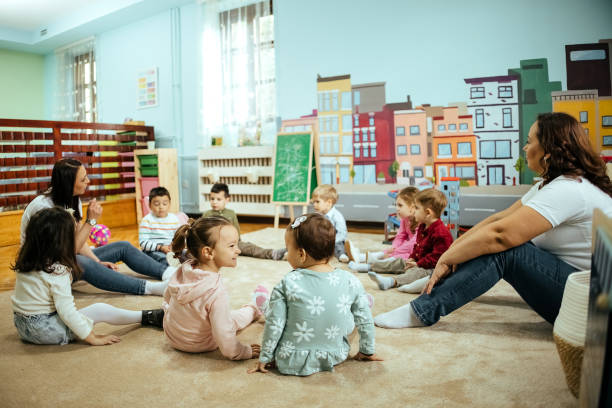
In reality, early childhood educators look at a much broader picture. When children start prep or kindergarten, their success relies heavily on social, emotional, and practical foundations. These are the building blocks that help them cope with a structured school day, make friends, and follow routines.
Let’s look at the essential, everyday skills your child needs for a smooth transition to school, along with practical ways you can help them prepare.

1. Emotional Resilience and Coping Skills
A school classroom is a busy, bustling environment. Throughout the day, children face minor setbacks, change routines, and share their teacher’s attention with twenty other peers. Being emotionally ready means your child can handle these small bumps in the road.
Separation Confidence
Can your child say goodbye at the gate without intense distress? It is normal to have a few tears initially, but school-ready children generally settle down quickly after their parents leave.
Managing Frustration
In school, children must wait their turn, deal with losing a game, or handle a puzzle piece that won’t fit. Developing the capacity to take a deep breath and try again helps them immensely.
Practical Tip to Try at Home
Play board games as a family. Don't always let your child win. Experiencing a loss in a safe, loving environment teaches them that missing out is okay and that the fun is in playing the game.
2. Social Capabilities and Making Friends
School is a highly social setting. Your child will need to work in groups, share resources, and build relationships with new peers and adults.
Sharing and Cooperation
Children need to understand how to take turns with toys and equipment. They should be able to understand that others have needs too.
Clear Communication
While they don’t need a massive vocabulary, children must be able to voice their needs clearly to teachers and peers. This includes saying things like, "Can I play with that next?" or "I need some help, please."
Reading Social Cues
Recognising when a friend is sad, angry, or happy helps children form meaningful connections and avoid conflicts in the playground.
3. Independence and Self-Care Skills
Teachers love it when a child walks into the classroom able to manage their own belongings. With so many students to look after, a child who can handle basic physical tasks feels more confident and less stressed.
[School Readiness Checklist]├── Independence: Unpacking bags, opening lunchboxes├── Self-Care: Using toilets alone, washing hands├── Social Skills: Sharing toys, taking turns└── Communication: Asking for help clearlyManaging the Lunchbox
Can your child open their own lunchbox and unzip their school bag? Practice this at home. Make sure they can open the specific containers and wrappers you plan to send with them.
Toilet Independence
Going to the bathroom completely unaided is crucial. This includes wiping properly, flushing, managing buttons or zips on school uniforms, and washing hands thoroughly.
Dressing and Shoes
While shoe-tying takes time, your child should be able to put on their own jumper, take off their coat, and manage velcro shoe straps independently.
4. Executive Functioning and Concentration
The school environment demands a certain level of focus and cognitive control. Children need to follow directions and stick to a task for short blocks of time.
Following Multi-Step Instructions
Can your child listen to two or three directions in a row and follow them? For example: "Put your shoes on, grab your hat, and wait by the front door."
Staying on Task
A school-ready child can usually sit still and focus on a single activity—like listening to a story or drawing a picture—for about ten to fifteen minutes without needing constant redirection.
The Benefits of Focusing on Holistic Readiness
When we look beyond academic traits, we give children the tools to thrive, not just survive. Focusing on these foundational areas yields incredible benefits:
· Higher Self-Esteem: A child who can open their own food and manage their clothes feels capable and independent.
· Lower Stress Levels: Strong social and emotional foundations make the big school environment feel far less intimidating.
· Better Academic Progress Later: When a child isn't exhausted by the social and physical demands of the day, their brains are free and ready to absorb reading, writing, and maths lessons.
Real-World Ways to Prepare at Home
Preparing for school doesn't mean sitting your child down with worksheets. Instead, embed preparation into your daily routines.
· Set Up Playdates: Encourage unstructured play with children of a similar age to build sharing and conflict-resolution skills.
· Establish Routines: Create a predictable morning and evening routine at home. This mirrors the structured nature of the school day.
· Encourage Problem-Solving: When your child encounters a problem, resist the urge to fix it immediately. Ask, "What do you think we should try next?"
· Visit the School: Walk or drive past the school grounds, play on the equipment on weekends if permitted, and attend transition days to familiarise them with the space.
Remember, every child develops at their own pace. If you have concerns about your child's readiness, speak with your early learning educators. They can offer valuable insights and collaborate with you to build these vital life skills before the school bell rings.
Frequently Asked Questions
What should I do if my child cannot write their name before starting school?
Do not panic. Writing names is something teachers expect to teach in the initial months. It is far more valuable if your child can recognise their printed name on a bag tag or lunchbox so they don't lose their items.
How can I help my child get used to the long school day?
Start moving bedtime a little earlier a few weeks before school begins to ensure they are well-rested. You can also build their stamina by encouraging longer periods of focused play or quiet reading time during the day.
My child is quite shy. Will they struggle at school?
Shyness is a natural personality trait and perfectly fine. Teachers are highly skilled at drawing out quieter children and helping them find friends. Focus on building your child's confidence in speaking up when they need help.
Is it better to delay school entry if I feel my child isn't ready?
This depends heavily on your child's birth date and individual development. Discuss your options with your current childcare provider or preschool teacher, as they see how your child functions daily within a peer group.
How do I know if my child’s emotional outbursts will affect their school life?
Big emotions are normal for four and five-year-olds. However, your child should be developing ways to calm down with minimal guidance. Practice talking about emotions at home to help them name what they are feeling.
Comments